
Why Zero-Click Searches Are Increasing
A few years ago, Sorry Last year!, strong content meant strong traffic.
If your website answered questions, wrote “Top 10” articles, or provided helpful guides, chances are you were seeing consistent visits, engagement, and ultimately some sales.
But things have changed.
The rise of AI-driven search has fundamentally shifted how people find and consume information online. We're now entering a new phase of web marketing and online integration, and the rules are evolving quickly.
First things first: SEO is not dead.
But it’s definitely not what it used to be.
The content landscape has shifted. Search behaviour has changed. And the traditional idea of ranking on Google and capturing clicks is no longer the whole game.
So the real question becomes:
Are we moving from SEO to GEO and AEO?
Instead of focusing purely on Search Engine Optimization (SEO), many marketers now need to consider:
• Generative Engine Optimization (GEO) – optimizing for AI-generated results
• Answer Engine Optimization (AEO) – structuring content so AI engines use your information as the answer
The numbers are telling the story.
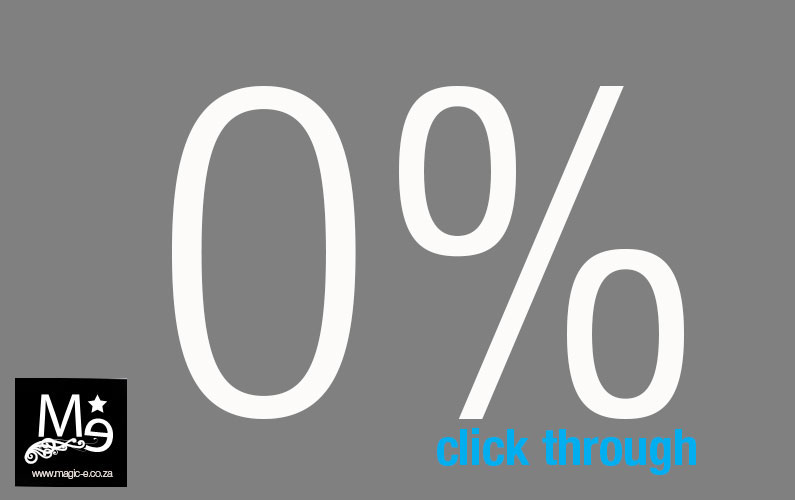
Click-through rates on informational queries have dropped significantly. Some studies suggest 50–70% of searches now result in zero clicks, with users getting their answers directly from Google’s AI summaries, ChatGPT, or other generative platforms.
In other words:
The information is still being used… but users aren’t always visiting the source.
So what does this mean for businesses?
It means we need to rethink how we structure content.
Content now needs to be:
• Clear and structured for AI systems to understand
• Written in direct answer formats
• Optimized for citations, not just clicks
• Built around authority and trust
In many ways, the goal is no longer just ranking in search results.
The goal is being the source AI trusts enough to quote.
At the same time, this shift highlights something important:
Your brand matters more than ever.
When people recognise your authority, they seek you out directly—before relying entirely on AI.
That means businesses need to diversify their channels more than ever before:
• Social media
• Video content
• Community engagement
• Paid media
• Direct audiences
• Real-world connections
And interestingly, this shift might not be a bad thing.
If anything, it could push businesses back toward more personal relationships, more trust-based marketing, and stronger brand identity.
Less noise.
More authenticity.
More real connection.
In many ways, AI may actually bring us closer to the human side of business again.
I genuinely believe there’s an opportunity here for companies willing to adapt.
The landscape is changing—but so are the opportunities.
What are your thoughts on this shift?
Have you seen the zero-click phenomenon affecting your own traffic or content strategy?
Contact me today and I will help you and your business navigate this exciting new phase in the marketing world.
What Is the Zero-Click Phenomenon ?
The zero-click phenomenon occurs when users get answers directly from AI summaries or search engine results without visiting a website. As AI-driven search grows, businesses must optimize for GEO (Generative Engine Optimization) and AEO (Answer Engine Optimization) to remain visible and authoritative.
Why Zero-Click Searches Are Increasing
AI tools like Google’s AI Overviews and ChatGPT now provide instant answers.
Studies show that 50–70% of informational searches no longer result in a website click, even though the information still comes from online sources.
Is SEO Dead?
No — SEO is evolving. Traditional ranking is no longer enough. Search behaviour has shifted from “click to learn” to “ask and receive,” meaning content must be structured for AI interpretation, not just human reading.
How Businesses Should Adapt
To stay visible in an AI-first search world, content must be
1. Structured for AI
- Clear headings
- Direct answers
- Bullet points
- Defined concepts
2. Built for Authority
- Expertise
- Trust signals
- Brand consistency
3. Optimized for Citations, Not Just Clicks
The goal is to become the source AI trusts enough to quote, even when users don’t click through.

